In this article, we will provide a clear explanation of the types and uses of Japanese knives, as well as the names of their various parts.
What is a Japanese Knife?
Japanese knives are tools that have developed alongside ancient Japanese traditions. With the spread of Japanese culinary culture, a vast variety of shapes emerged to suit specific ingredients and cooking purposes.
Beyond simply carving ingredients like meat and fish, these knives reflect a delicate aesthetic unique to Japanese cuisine: the goal of “cutting for both flavor and beauty.” There is an astonishing variety of types and sizes depending on the application, truly making them tools that symbolize the depth of Japanese food culture.
Characteristics of Japanese Knives
Blade Shape
Japanese knives are primarily “single-edged” (kataba), meaning the blade is angled on only one side. Because this structure causes the blade to enter the ingredient at an angle, it is suitable for tasks like draw-cutting sashimi or peeling vegetables, where thin and precise slicing from the edge is required.
Handle Structure
The common structure is the “insert-type,” where the “tang” (nakago)—the part of the blade that goes into the handle—is driven into a wooden handle. A major advantage of this design is that if the handle becomes damaged or corroded over years of use, only the handle can be replaced with a new one, allowing the knife to be used continuously. This reflects Japan’s unique culture of taking good care of tools as lifelong possessions.
Names of the Parts of a Japanese Knife
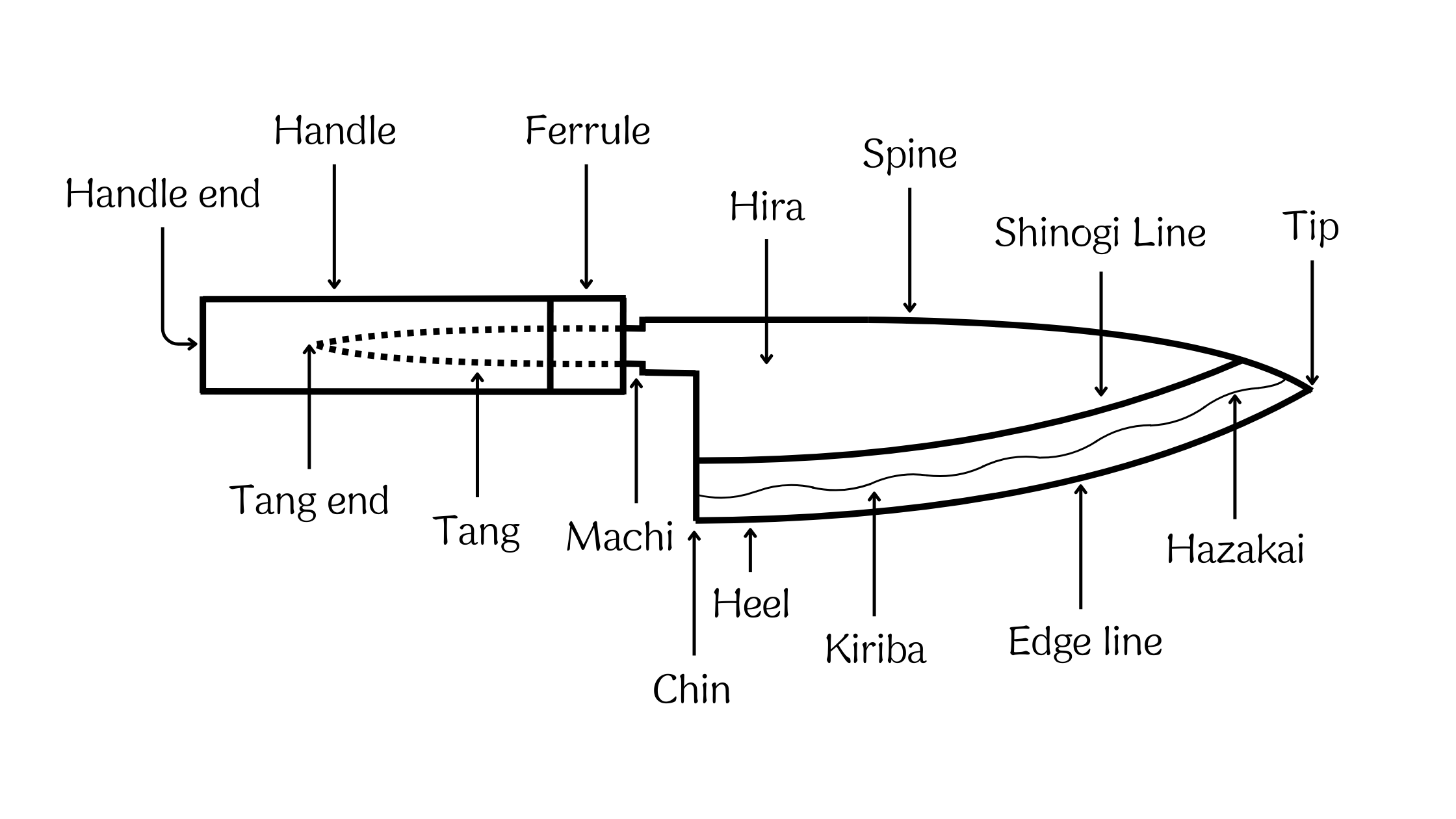
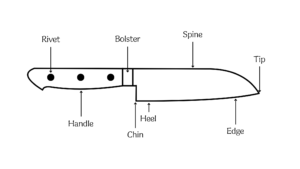
The basic shape of a knife consists of the “blade” for cutting and the “handle” for gripping.
There are differences between Japanese knives and Western knives in terms of their shapes and the names used for each part.
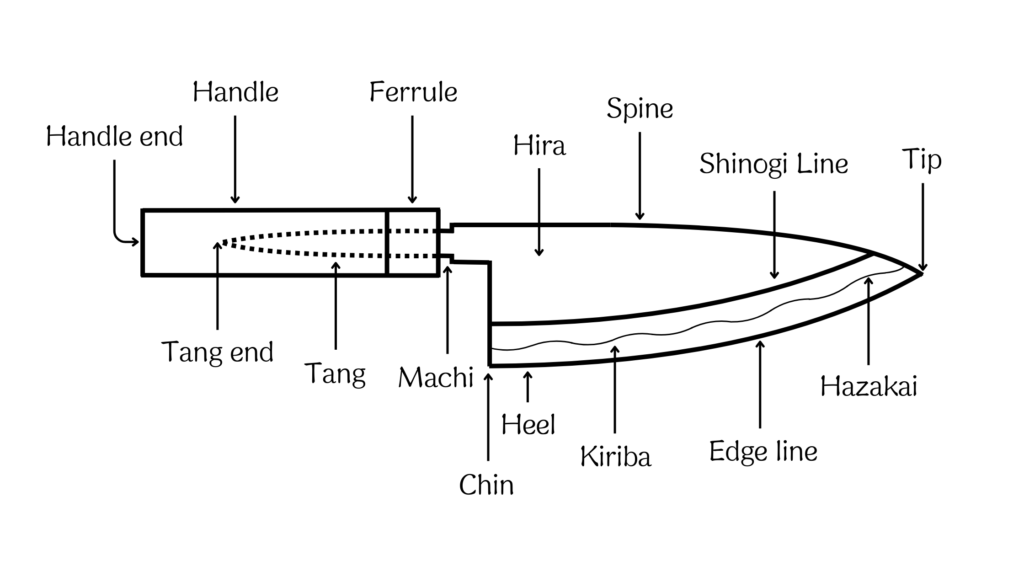
Tip┆切先┆きっさき┆kissaki
Shinogi Line┆鎬┆しのぎ┆shinogi
Spine┆峰┆みね┆mine
Hira┆平┆ひら┆hira
Hazakai┆刃境┆はざかい┆hazakai
Edge line┆刃先(刃線)┆はさき(はせん)┆hasaki hasen
Kiriba┆切刃┆きりば┆kiriba
Heel┆刃元┆はもと┆hamoto
Chin┆顎┆あご┆ago
Machi┆マチ┆まち┆machi
Ferrule┆口輪┆くちわ┆kuchiwa
Handle┆柄┆え┆e
Handle end┆柄尻┆えじり┆ejiri
Tang┆中子┆なかご┆nakago
Tang end┆中子尻┆なかごしり┆nakagoshiri
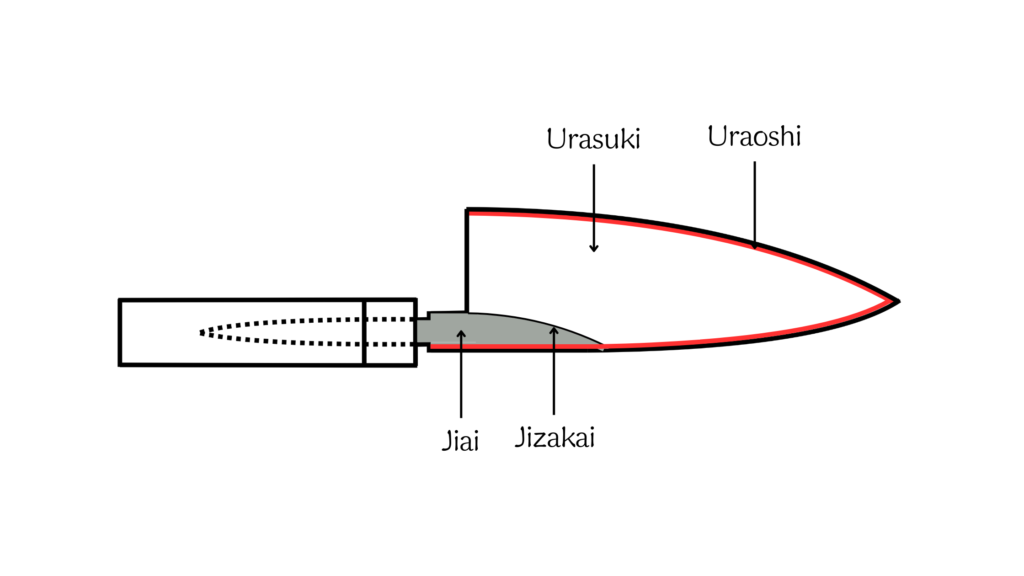
Uraoshi┆裏押し┆うらおし┆uraoshi
Urasuki┆裏すき┆うらすき┆urasuki
Jizakai┆地境┆じざかい┆jizakai
Jiai┆地あい┆じあい┆jiai
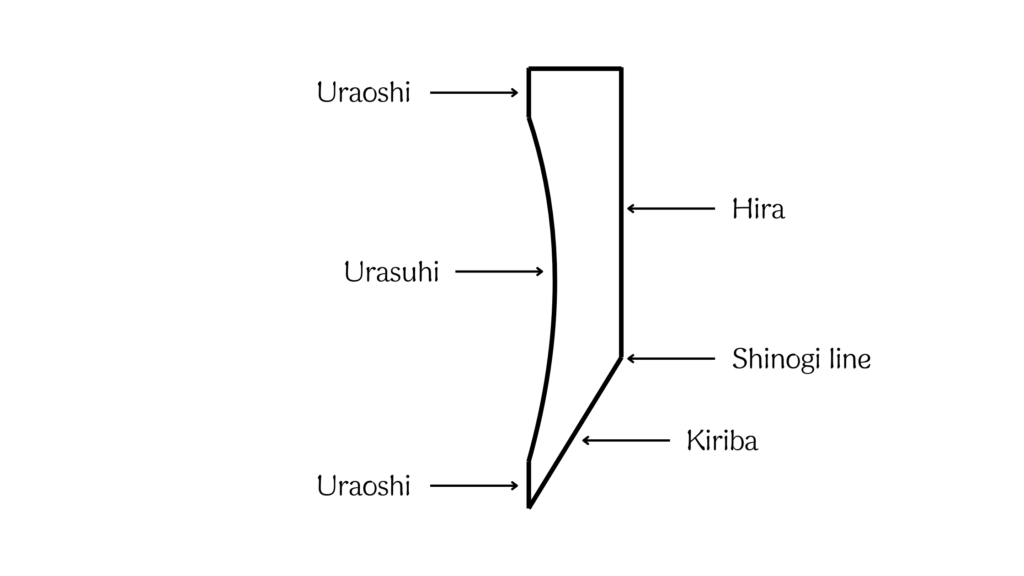
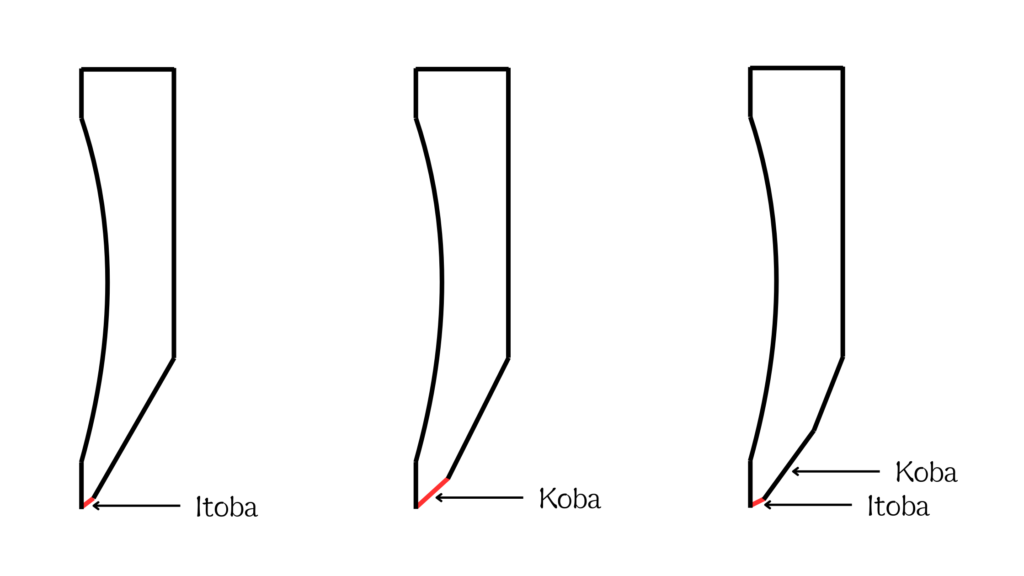
Uraoshi┆裏押し┆うらおし┆uraoshi
Urasuki┆裏すき┆うらすき┆urasuki
Hira┆平┆ひら┆hira
Shinogi line┆鎬┆しのぎ┆shinogi
Kiriba┆切刃┆きりば┆kiriba
Koba┆小刃┆こば┆Koba
Itoba┆糸刃┆いとば┆Itoba
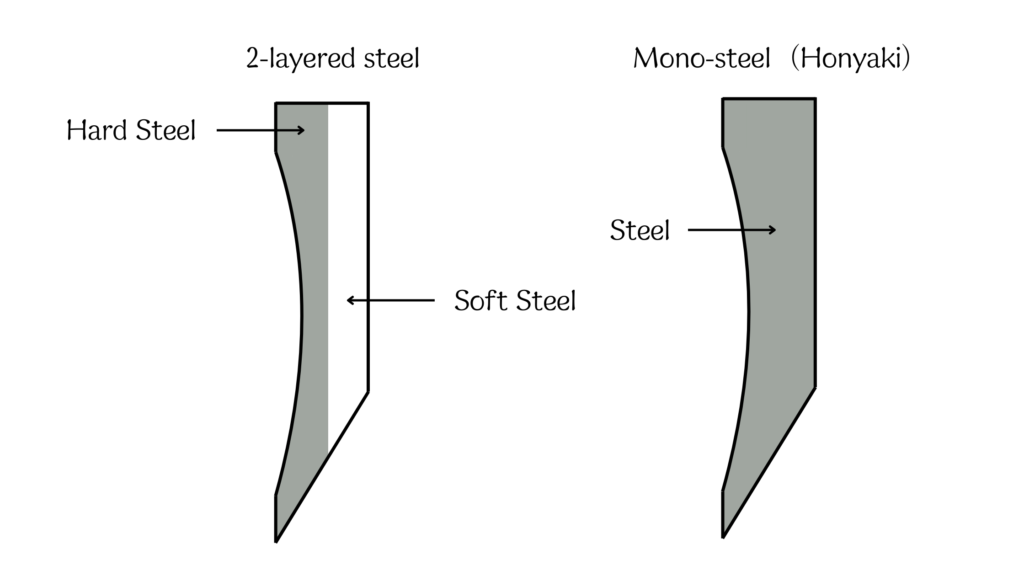
Types of Japanese Knives
・Usuba Knife (Kanto-style)
・Usuba Knife (Kansai-style)
・Mukimono Knife (Kanto-style)
・Mentori Knife
・Kaisaki / Ajikiri
・Deba Knife (Ko-deba / Hon-deba)
・Mioroshi Deba
・Ai-deba
・Yanagiba
・Kiritsuke Yanagiba
・Fuguhiki
・Takohiki
・Sakimaru Takohiki
・Edosaki (Kanto-style)
・Osakasaki (Osaka-style)
・Kyosaki (Kyoto-style)
・Nagoyasaki (Nagoya-style)
・Shime-bocho
・Kiritsuke Knife
・Hamokiri
・Sakekiri Knife
・Sushikiri Knife
・Mochikiri Knife
・Menkiri Knife
・Kashikiri Knife
・Shikasabaki Knife
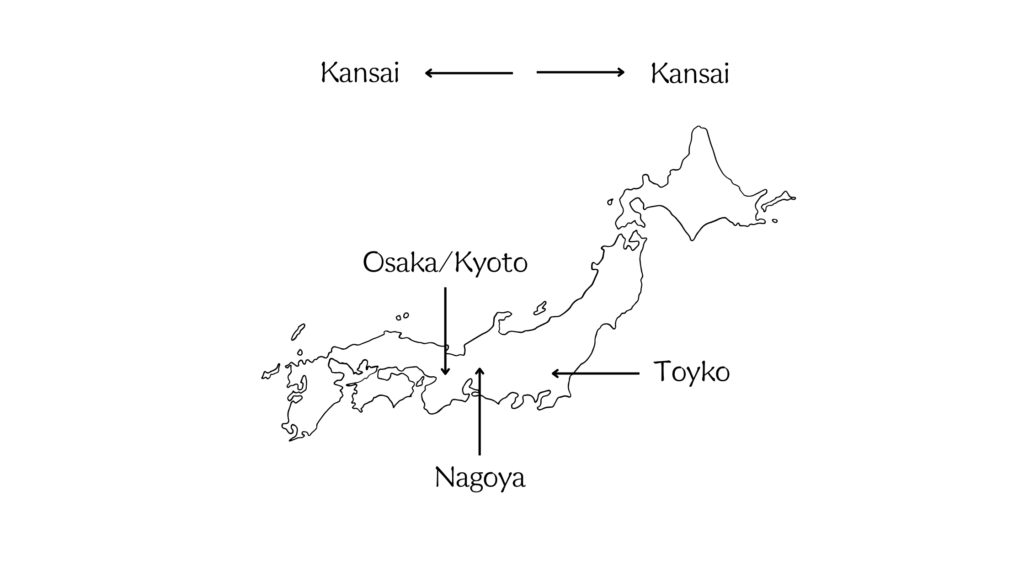
Kanto The region in eastern Japan, including Tokyo.
Kansai The region in western Japan, including Osaka and Kyoto.
Osaka A major city and prefecture within the Kansai region.
Kyoto An ancient capital located in the Kansai region.
Nagoya A major city in the Chubu region, located between Kanto and Kansai.
Usuba Knife (Kanto-style)
【Purpose】
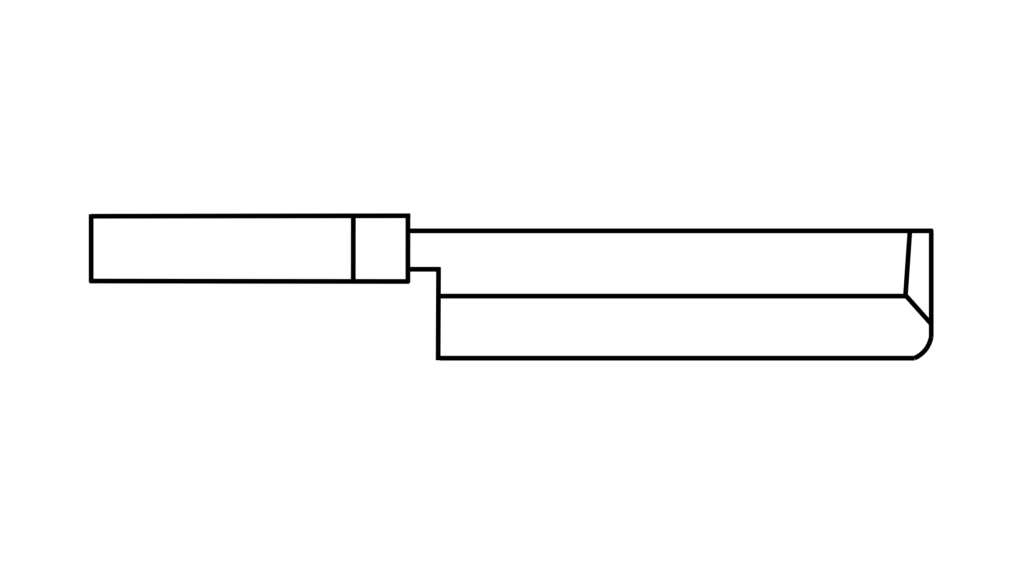
This knife is used for peeling and chopping vegetables. Because the blade is thin, it can cut through ingredients cleanly without crushing the fibers. It is suitable for tasks such as Katsuramuki (rotary peeling), julienning, and slicing, but it is not suitable for cutting large chunks. The Kanto-style is characterized by a spine and edge line that are parallel, with a rounded tip. It is not suitable for decorative carving or intricate work that requires frequent use of the tip.
【Blade Length】
Approximately 150mm to 240mm
Usuba Knife (Kansai-style)
【Purpose】
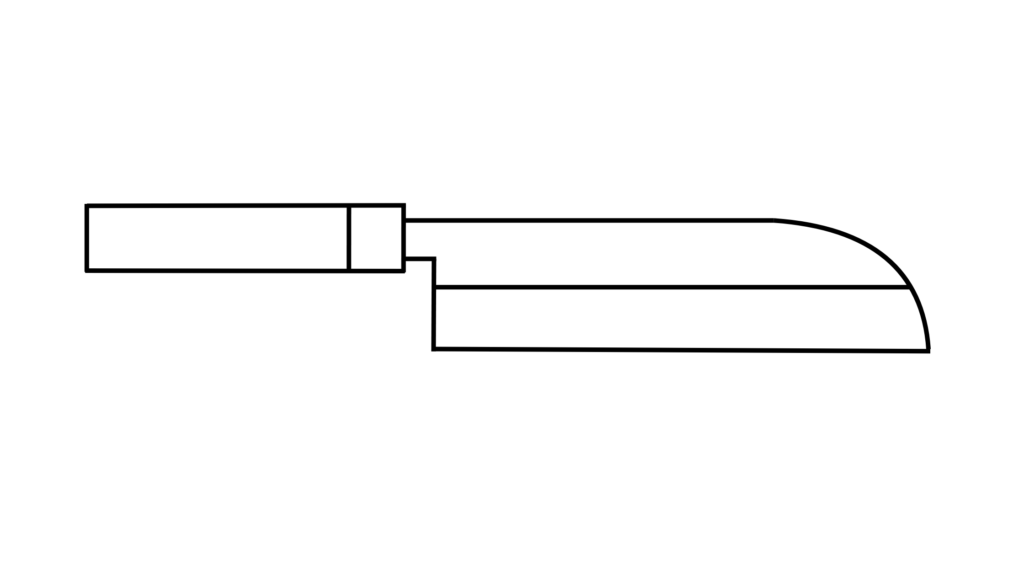
This knife is used for peeling and chopping vegetables. Because the blade is thin, it can cut through ingredients cleanly without crushing the fibers. It is suitable for tasks such as Katsuramuki (rotary peeling), julienning, and slicing, but it is not suitable for cutting large chunks. The Kansai-style is characterized by a curved spine leading to the tip, which is pointed. Compared to the Kanto-style, the sharp tip makes it more suitable for detailed work and decorative carving.
【Blade Length】
Approximately 150mm to 240mm
Mukimono Knife (Kanto-style)
【Purpose】
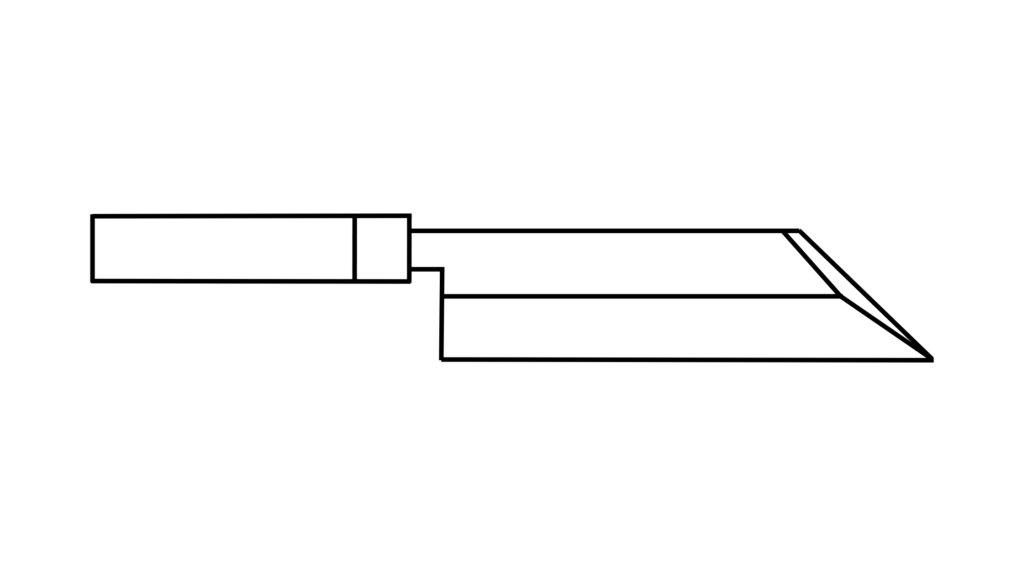
This knife is characterized by a sword-like shape, appearing as if the tip of an Usuba knife has been cut off at an angle. While its primary uses are the same as the Usuba, the blade is thinner, making it ideal for even more delicate and intricate work.
【Blade Length】
Approximately 180mm to 210mm
Mentori Knife
【Purpose】
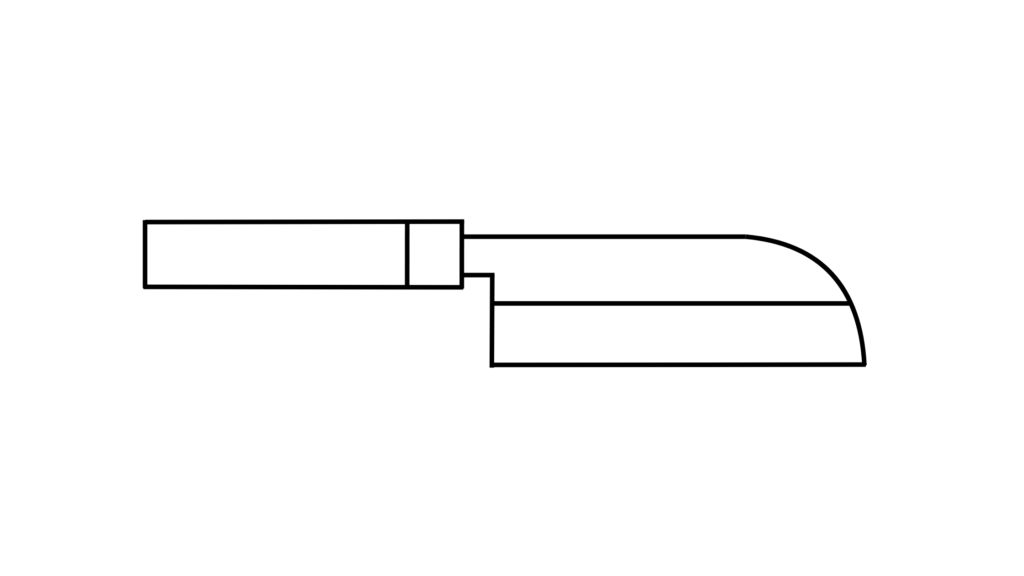
This knife is primarily used for “Mentori,” the process of shaving off the sharp edges of vegetables. It is small and easy to handle, with a shape that is ideal for tasks performed while holding the ingredient in your hand.
【Blade Length】
Approximately 90mm to 120mm
Kaisaki / Ajikiri
【Purpose】
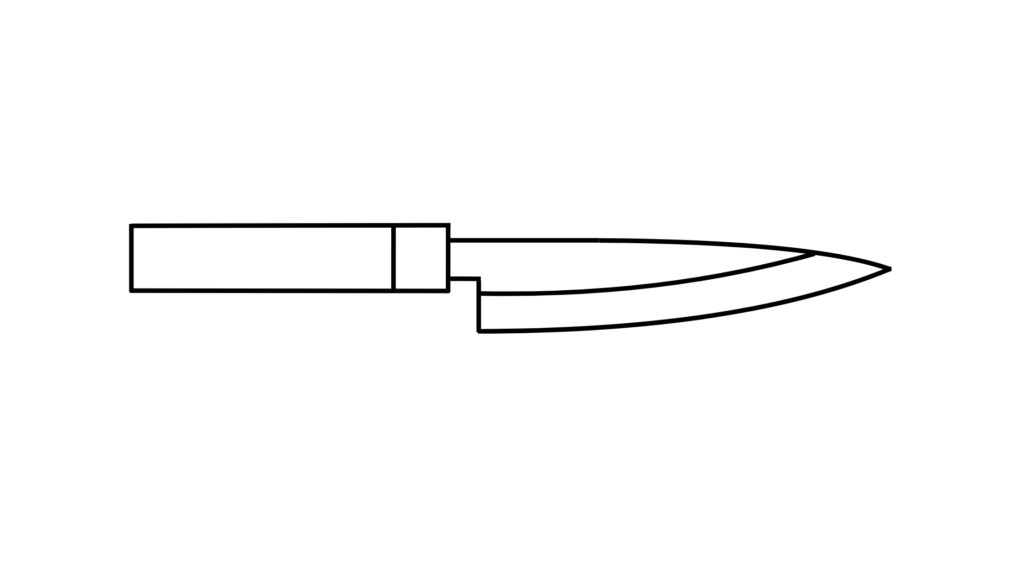
In Japanese, “Kai” in “Kaisaki” means shellfish, “Aji” in “Ajisaki” refers to horse mackerel, and “Saki” means to tear or fillet. This knife is designed for filleting small fish. It is used for preparing small fish like horse mackerel (Aji) or handling shellfish. Its shape is like a miniature Deba knife, making it highly maneuverable and easy to control.
【Blade Length】
Approximately 80mm to 150mm
Deba Knife (Ko-deba / Hon-deba)
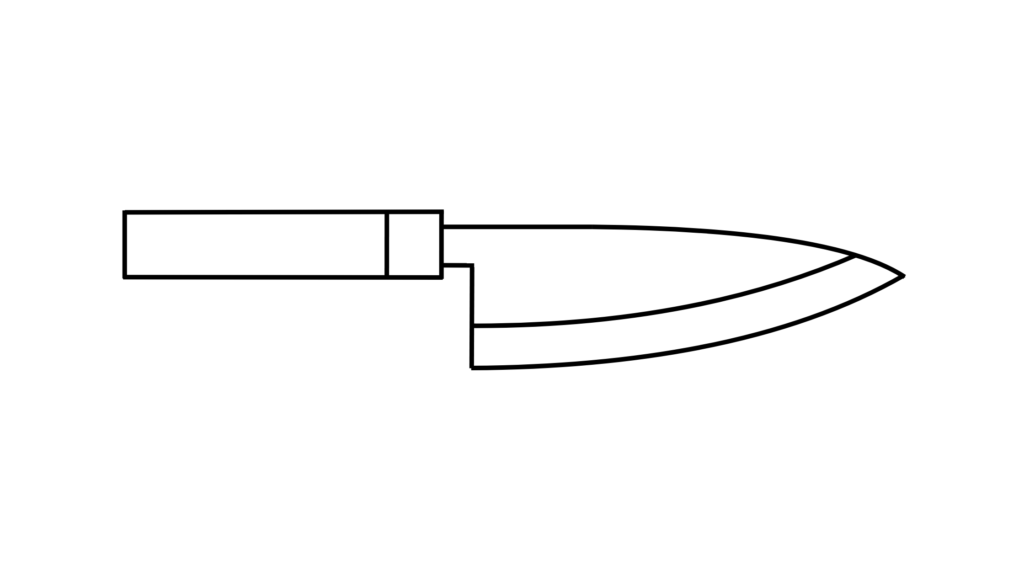
【Purpose】
In Japanese, “Ko” in “Kodeba” means small, and “Hon” in “Hondeba” means standard or original. The Kodeba is primarily used for filleting and cutting the bones of small fish such as horse mackerel or small sea bream. The Hondeba is suitable for filleting and is also designed to utilize its thickness and weight for tasks like chopping through bones and removing fish heads.
【Blade Length】
Kodeba: Approximately 90mm to 120mm / Hondeba: Approximately 150mm to 240mm
Mioroshi Deba
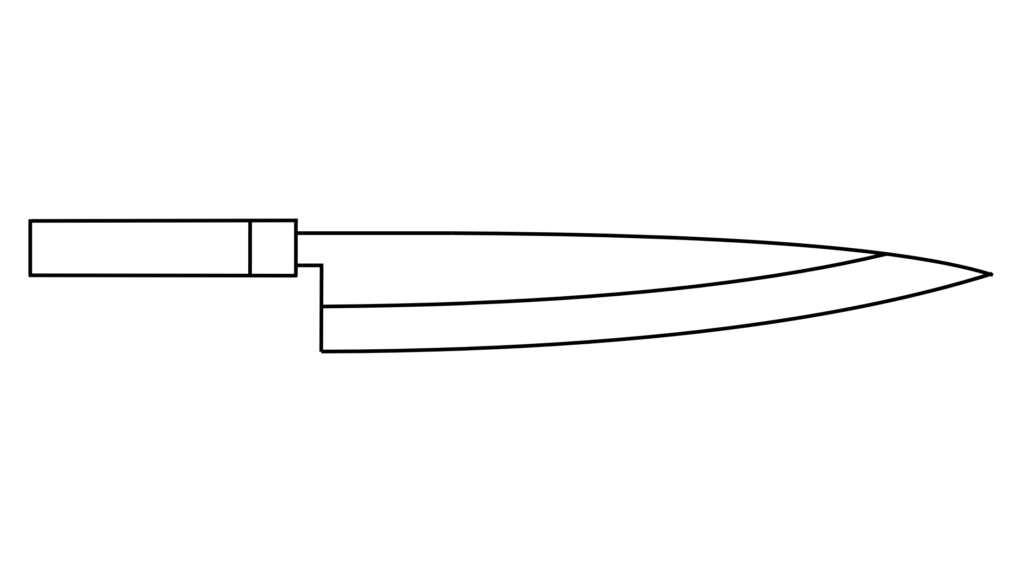
【Purpose】
In Japanese, “Mioroshi” in “Mioroshi Deba” means to fillet the meat. This knife is slenderer and thinner than a standard Deba, with a shape closer to a Sashimi knife. As the name suggests, it specializes in filleting fish and can handle everything from three-piece filleting to skinning with a single blade.
【Blade Length】
Approximately 180mm to 270mm
Ai-deba
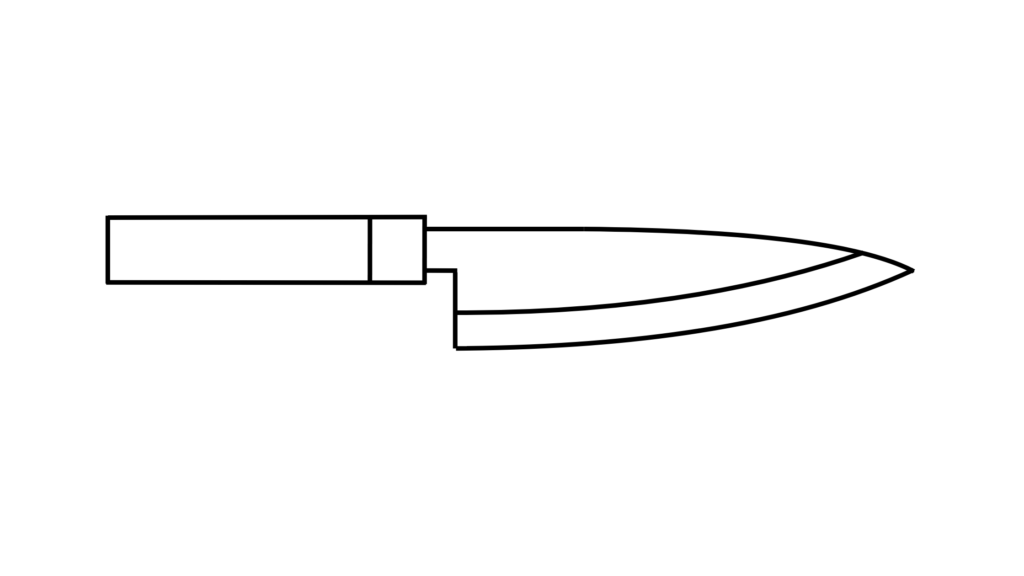
【Purpose】
In Japanese, “Ai” in “Aideba” means between or intermediate. This knife is slightly slenderer and thinner than a Hondeba, possessing characteristics that fall between a Deba and a Sashimi knife. It is not only suitable for filleting fish but also for slicing the meat, and is characterized by its excellent balance and ease of handling.
【Blade Length】
Approximately 150mm to 300mm
Yanagiba
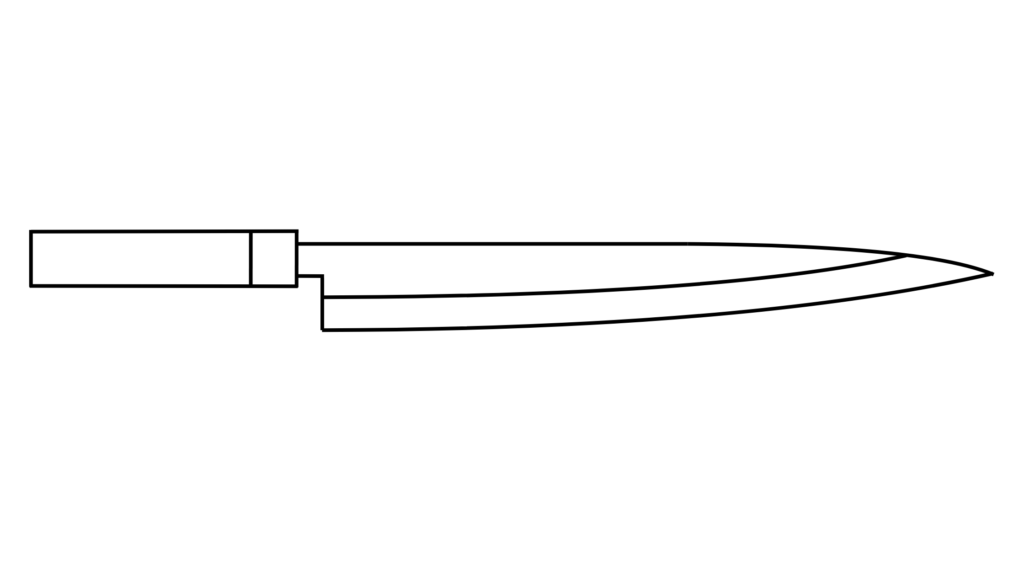
【Purpose】
This knife is used for slicing sashimi. Utilizing its long blade, it allows you to beautifully slice sashimi in a single pulling stroke. It is ideal for finishing with a clean, sharp cross-section without crushing the delicate flesh. It is characterized by its long, slender shape resembling an iris leaf and its sharply pointed tip.
【Blade Length】
Approximately 180mm to 360mm
Kiritsuke Yanagiba
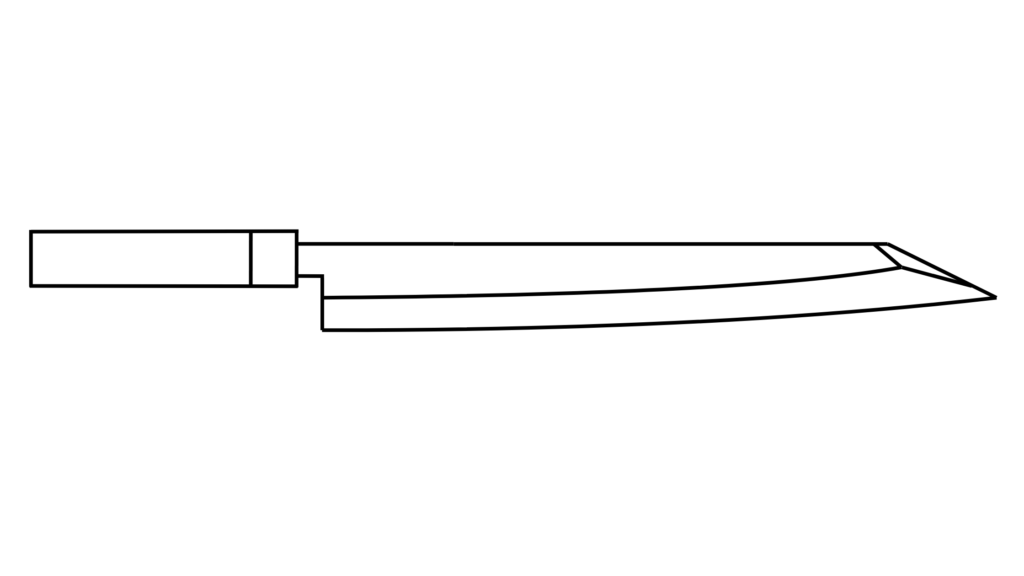
【Purpose】
This knife is used for slicing sashimi. Utilizing its long blade, it allows you to beautifully slice sashimi in a single pulling stroke. It is ideal for finishing with a clean, sharp cross-section without crushing the delicate flesh. It is characterized by its shape, which looks like the tip of a Yanagiba knife has been clipped off at an angle. This angled shape is called “Kiritsuke.”
【Blade Length】
Approximately 240mm to 360mm
Fuguhiki
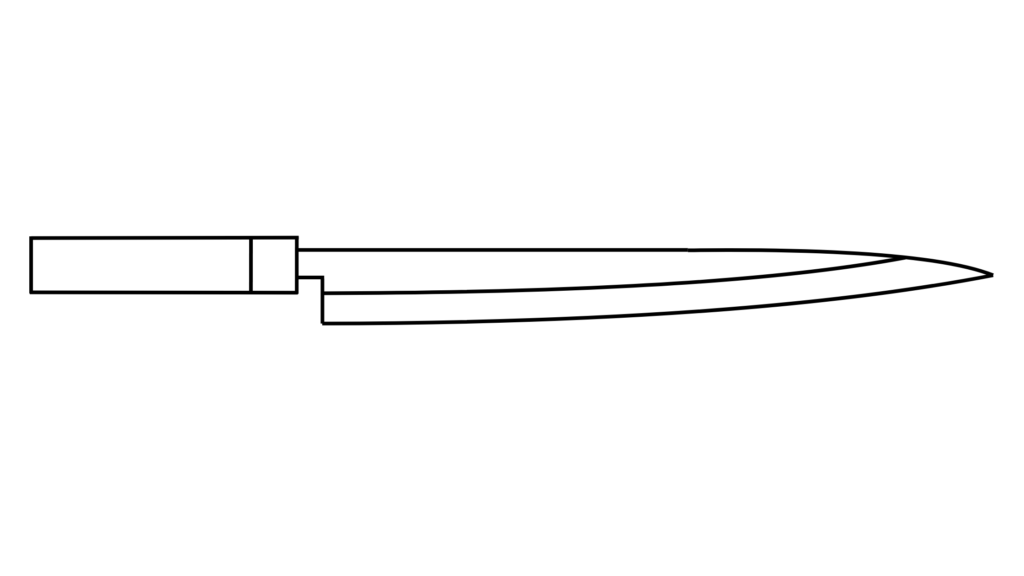
【Purpose】
In Japanese, “Fugu” in “Fuguhiki” refers to pufferfish. This knife is primarily used for tasks such as slicing pufferfish into extremely thin translucent slices. While its shape resembles a Yanagiba, it is characterized by an even thinner blade and a narrower width to allow for the finest possible slicing of the pufferfish meat.
【Blade Length】
Approximately 240mm to 360mm
Takohiki
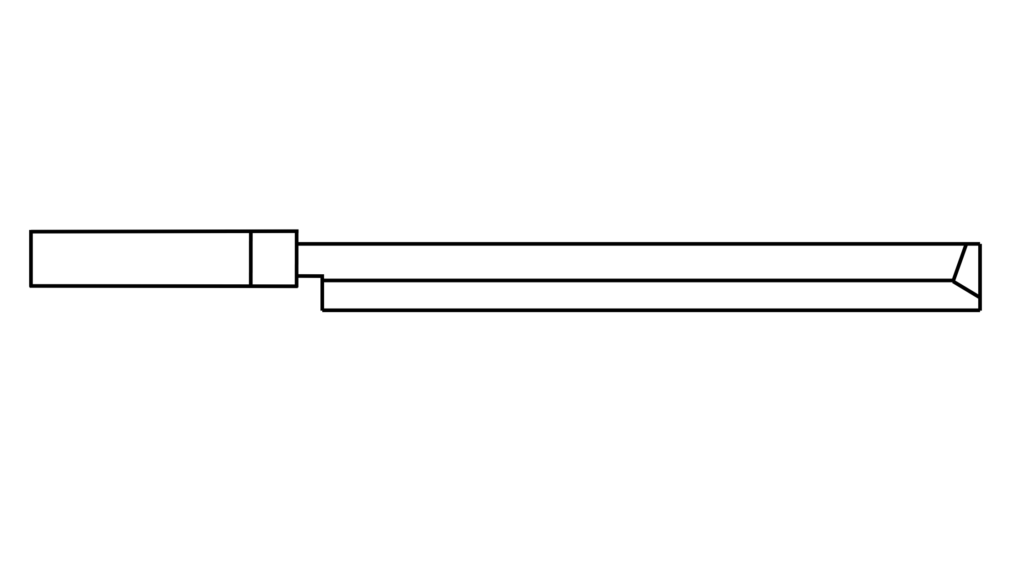
【Purpose】
This knife is used for slicing sashimi. Utilizing its long blade, it allows you to beautifully slice sashimi in a single pulling stroke. It is ideal for finishing with a clean, sharp cross-section without crushing the delicate flesh. It is characterized by having no pointed tip, with an overall long, slender rectangular shape and a square front end.
【Blade Length】
Approximately 240mm to 360mm
Sakimaru Takohiki
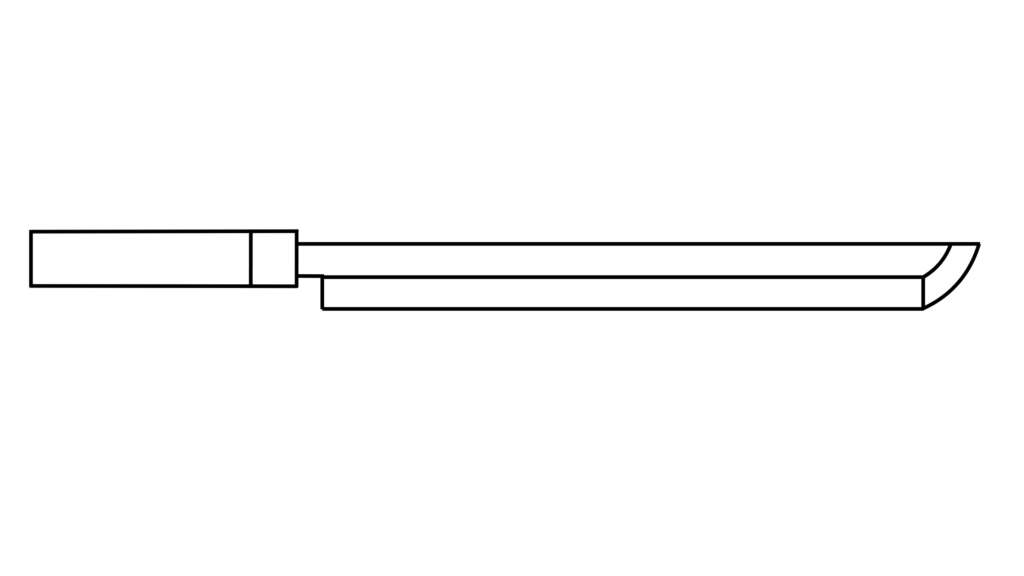
【Purpose】
This knife is used for slicing sashimi. Utilizing its long blade, it allows you to beautifully slice sashimi in a single pulling stroke. It is ideal for finishing with a clean, sharp cross-section without crushing the delicate flesh. It is characterized by having a Takohiki-like shape but with a rounded tip, featuring a curve similar to a Japanese sword and a “Sakimaru” (rounded tip) design.
【Blade Length】
Approximately 240mm to 360mm
Edosaki (Kanto-style)
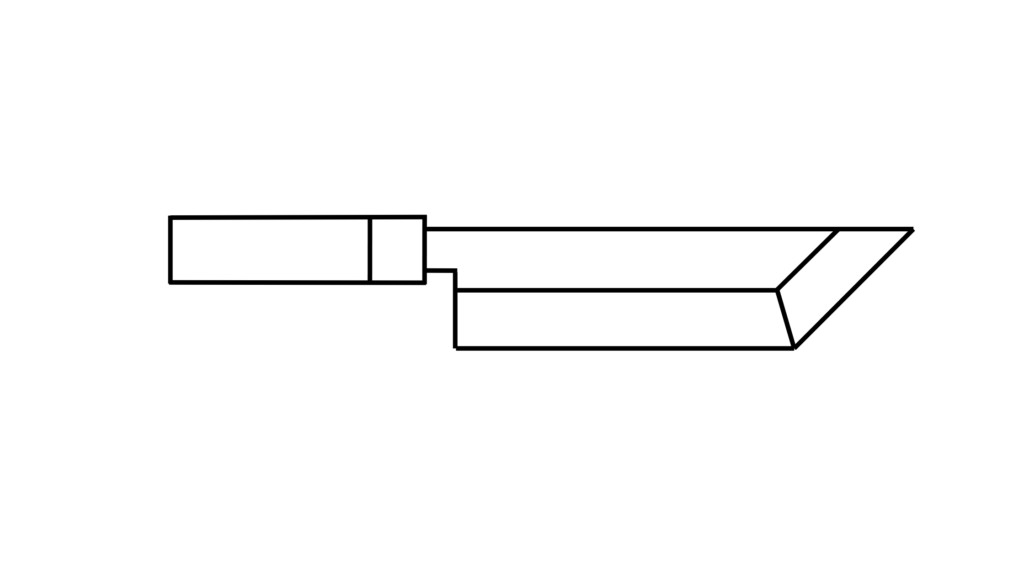
【Purpose】
This knife is designed for “Sebiraki,” the process of opening an eel from its back. A single knife is used for the entire process: removing the head, filleting the meat, and removing the bones. Because the spine of the blade is thick, its weight can be utilized to drive a “Meuchi” (eye-pinning spike) into the cutting board.
【Blade Length】
Approximately 120mm to 240mm
Osakasaki (Osaka-style)
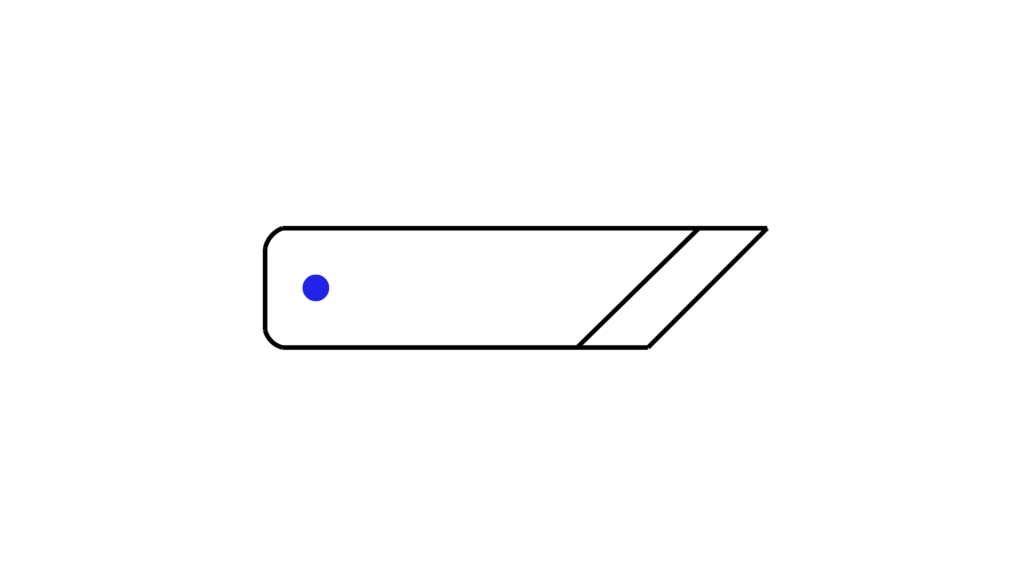
【Purpose】
This knife is designed for “Harabiraki,” the process of opening an eel from its belly. Due to its small size, it is also used for handling other small fish like loaches (Dojo). Its most distinctive feature is that it has no handle and consists entirely of a thin, flat plate-like body.
【Blade Length】
Approximately 45mm to 60mm (Blade tip portion only)
Kyosaki (Kyoto-style)
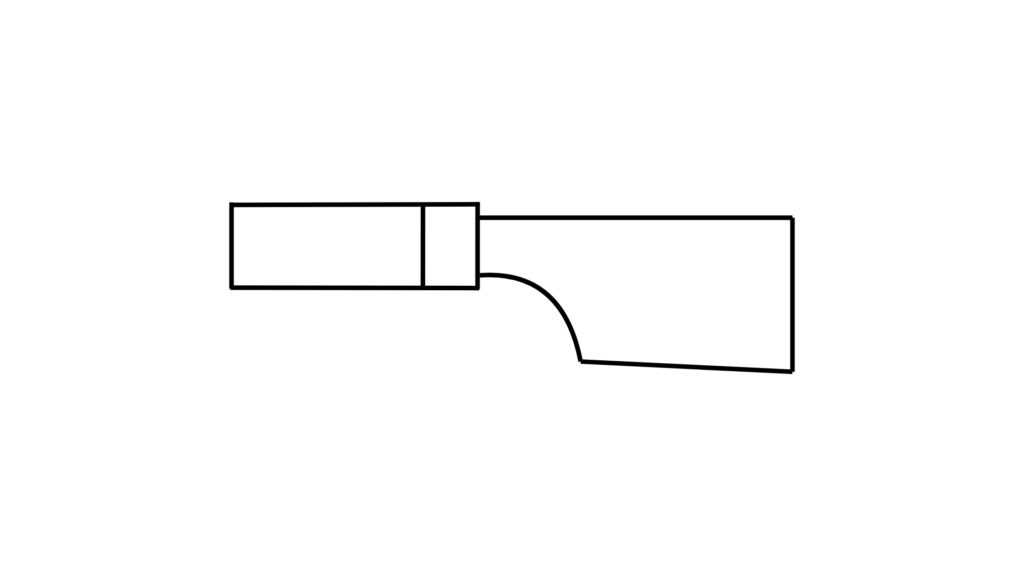
【Purpose】
This knife is designed for “Harabiraki,” the process of opening an eel from its belly. Following traditional Kyoto techniques, it is suited for filleting the eel while the head is still attached, which is removed later. It is characterized by a large, circular notch carved out at the base of the blade.
【Blade Length】
Approximately 60mm to 210mm
Nagoyasaki (Nagoya-style)
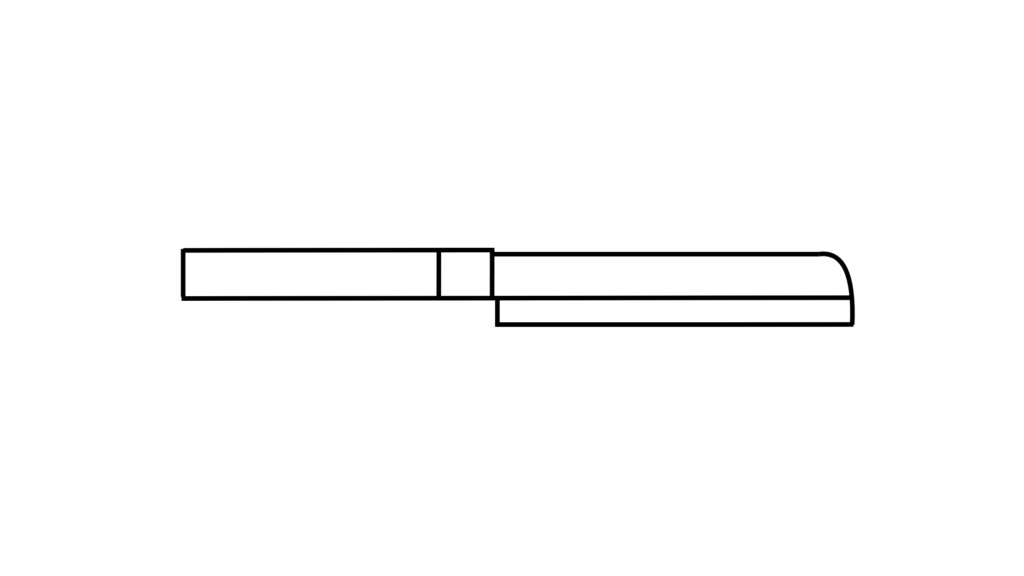
【Purpose】
This is a versatile knife that can handle both “Sebiraki” (opening from the back) and “Harabiraki” (opening from the belly). Its slender, straight blade provides great maneuverability, making it suitable for efficiently filleting large quantities of eel.
【Blade Length】
Approximately 100mm to 150mm
Shime-bocho
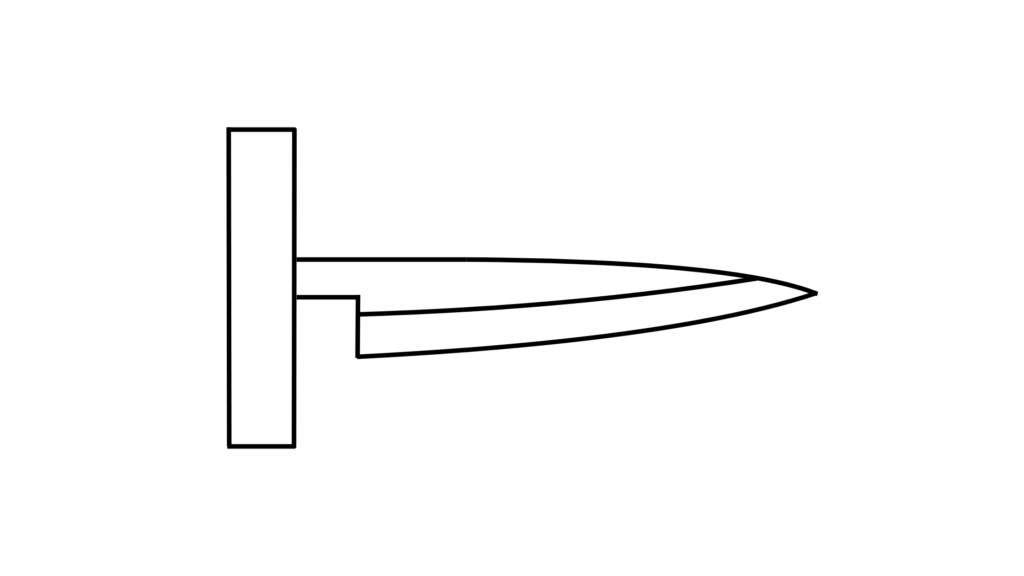
【Purpose】
This knife is used for finishing fish and draining blood (Ikejime). It is specialized for piercing the brain, cutting the gills, and severing the backbone. Many are small for portability, allowing for quick work at fishing spots or in the kitchen.
【Blade Length】
Approximately 90mm to 150mm
Kiritsuke Knife
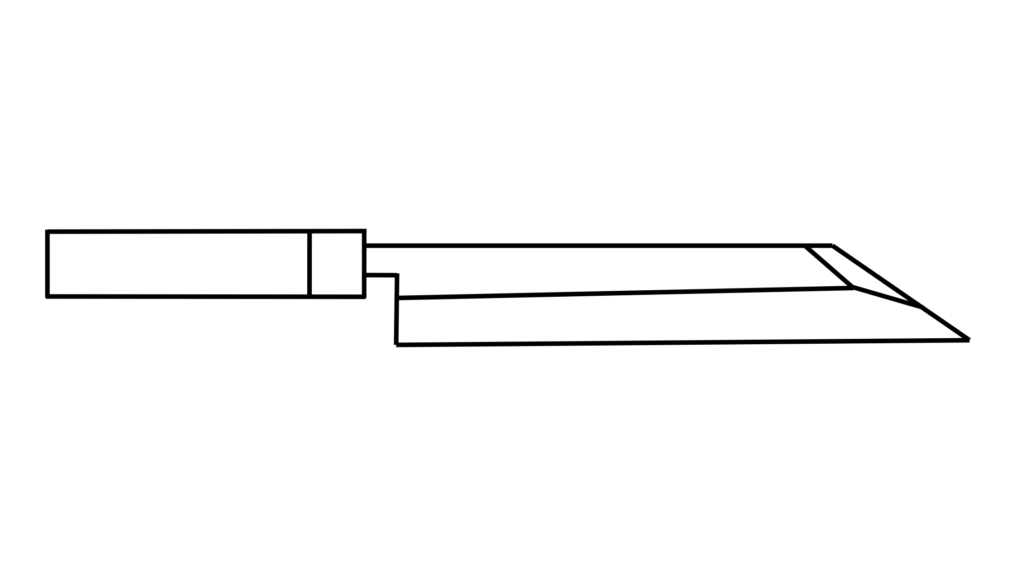
【Purpose】
This is a versatile knife that combines the functions of both a Yanagiba and a Usuba. It allows you to perform delicate tasks such as slicing sashimi and chopping or peeling vegetables with a single blade. Primarily used in the Kanto region, it is characterized by its tip being cut at an angle.
【Blade Length】
Approximately 240mm to 360mm
Hamokiri
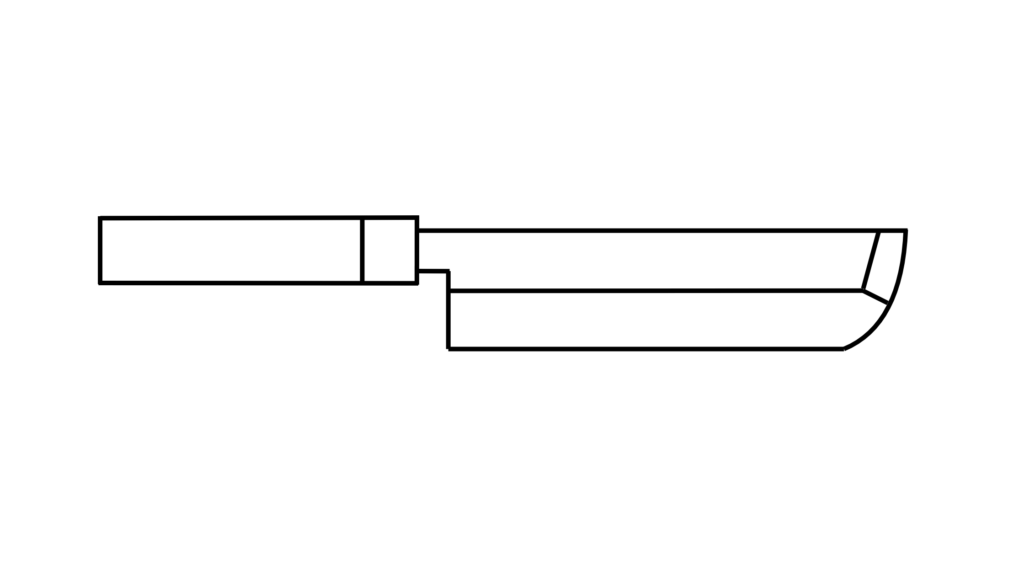
【Purpose】
This knife is specialized for “Hone-kiri” (bone cutting), the process of finely slicing through the hard, tiny bones of pike conger (Hamo) along with the flesh while leaving the skin intact. It has significant weight to ensure precise bone cutting, allowing the user to mince by utilizing its weight in a rhythmic, tapping motion. Additionally, the blade is straight and wide, designed to cut a long section at once.
【Blade Length】
Approximately 240mm to 360mm
Sakekiri Knife
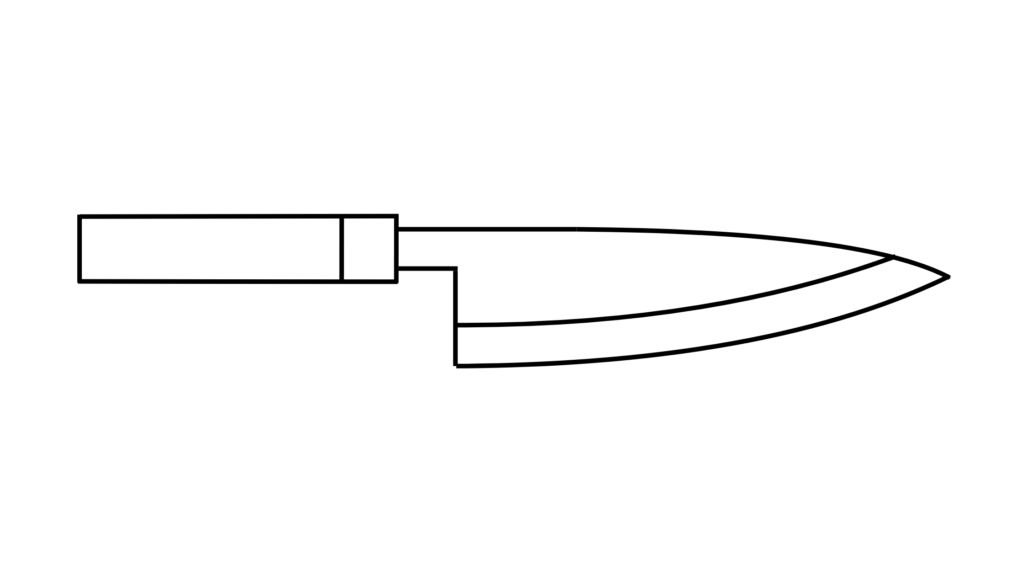
【Purpose】
This knife is specialized for handling salmon. It is made very thick and heavy in order to remove the heads of large salmon and to chop through frozen flesh or hard bones. It is characterized by its wide blade and sturdy construction.
【Blade Length】
Approximately 240mm to 330mm
Sushikiri Knife
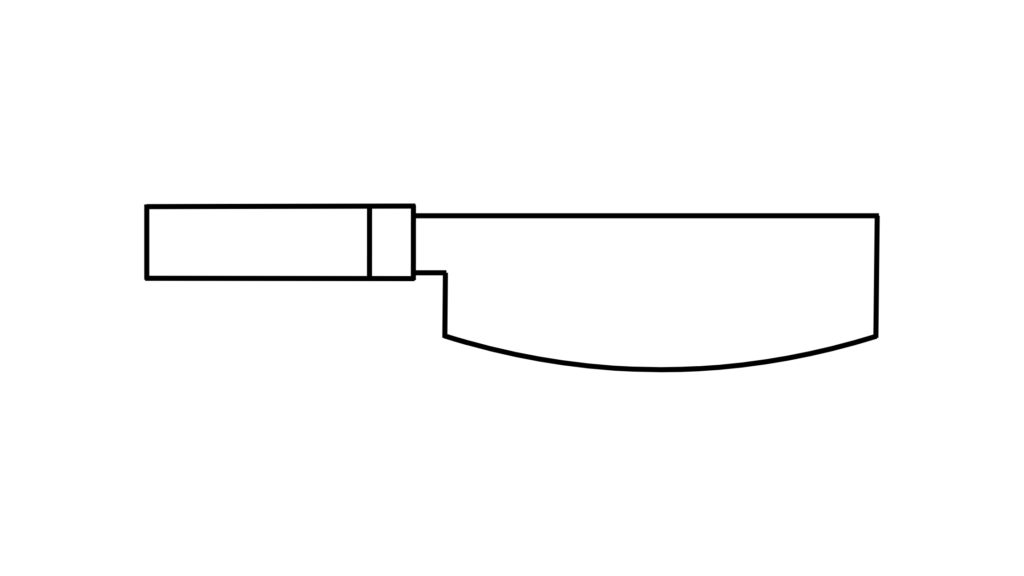
【Purpose】
This knife is designed for cutting rolled sushi (makizushi) and pressed sushi (oshizushi) beautifully without crushing the ingredients. It is characterized by a blade that is curved in a large arc, and it is used by rolling the entire blade back and forth to cut.
【Blade Length】
Approximately 210mm to 240mm
Mochikiri Knife
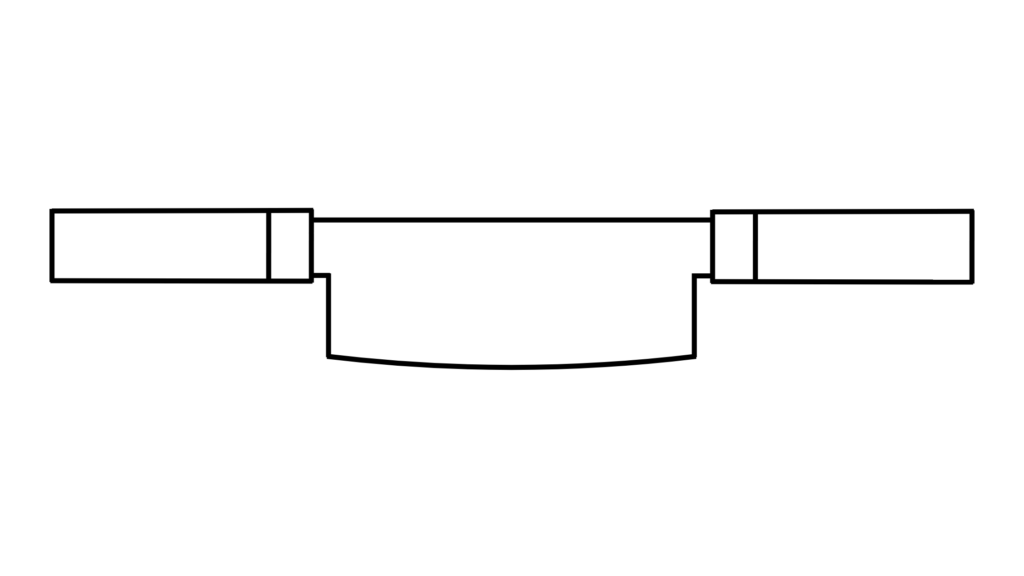
【Purpose】
This knife is used for cutting freshly made mochi or mochi that has become hard and dry. Some types have handles on both ends so that force can be applied equally with both hands, while others are made with thick blades to make push-cutting easier.
【Blade Length】
Approximately 240mm to 330mm
Menkiri Knife
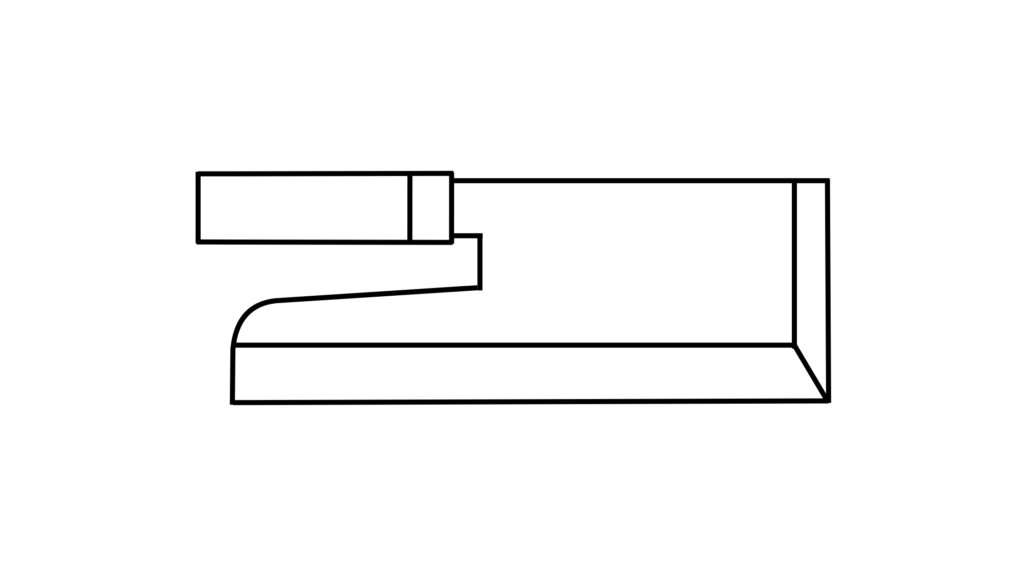
【Purpose】
This is a specialized knife for cutting soba and udon dough. To ensure the dough is cut evenly from end to end in a single motion, it has a unique shape with a very long, straight blade and a handle that extends over the top of the blade.
【Blade Length】
Approximately 240mm to 360mm
Kashikiri Knife
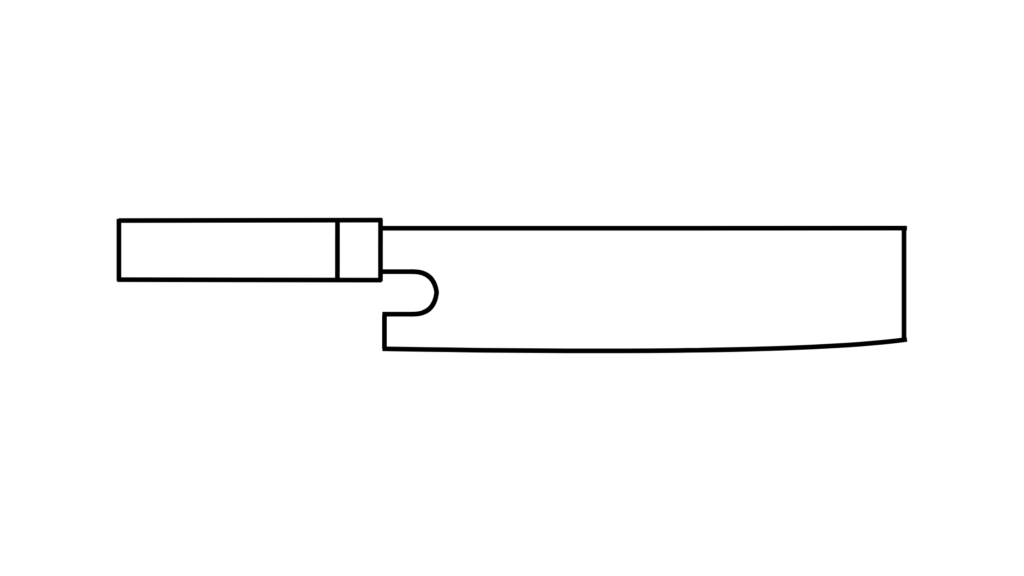
【Purpose】
This knife is used for cutting large blocks of yokan and other kneaded sweets straight and without distortion in a single motion. To avoid crushing the dough, the blade is made very thin, and because it requires slicing through in one stroke, the blade lengths range from short to very long.
【Blade Length】
Approximately 90mm to 540mm (Varies depending on use)
Shikasabaki Knife
【Purpose】
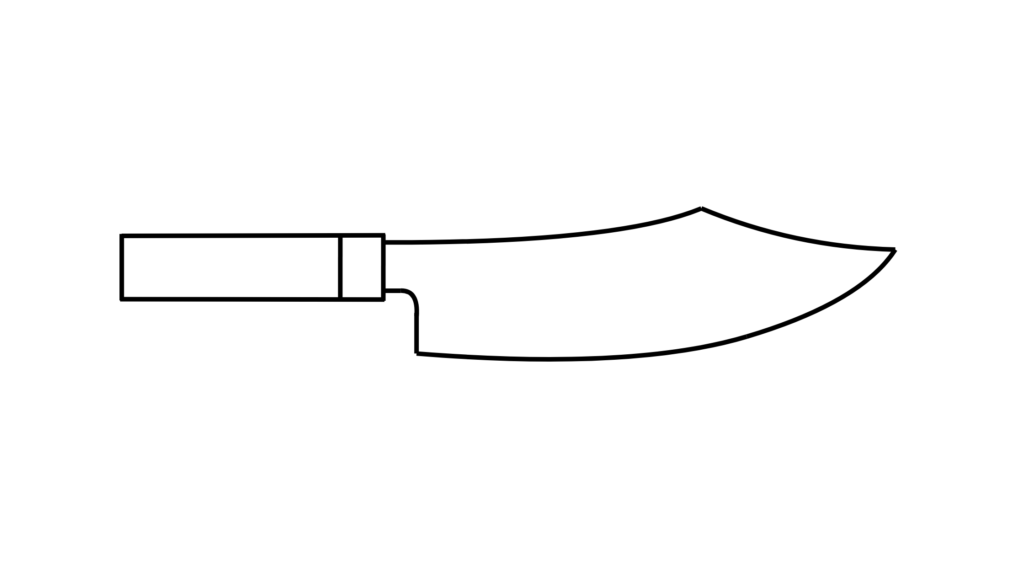
This knife is used for skinning deer and removing meat from the bone. It is characterized by its sharp tip and a strong, tough blade.
【Blade Length】
Approximately 130mm to 180mm